
Government of Punjab Launches Rs. 40 Billion Ration Card Program 2025: A Comprehensive Guide to Subsidized Food Assistance
In an era where inflation continues to squeeze household budgets across Pakistan, the Government of Punjab has stepped up with a groundbreaking initiative designed to provide much-needed relief to low-income families. The Punjab Ration Card Program 2025, officially rolled out under the visionary leadership of Chief Minister Maryam Nawaz, allocates a massive Rs. 40 billion to ensure that essential food items are accessible at subsidized rates. This program, which began registrations in August 2025 and entered full distribution mode by September 2025, represents a significant leap in social welfare efforts. It targets over five million deserving families, offering discounts of up to 40% on staples like flour, sugar, ghee, rice, pulses, and cooking oil.
As we delve into November 2025, the scheme has already made waves, with thousands of households benefiting from streamlined digital processes and transparent distribution mechanisms. For those searching for “Punjab Ration Card Program 2025 details” or “how to apply for Punjab ration card online,” this in-depth guide serves as your one-stop resource. We’ll cover everything from the program’s core objectives to eligibility criteria, application steps, benefits, recent updates, and even historical context. Whether you’re a low-income earner grappling with rising costs or simply curious about “CM Punjab schemes for inflation relief,” read on to understand how this initiative is transforming lives in Punjab.
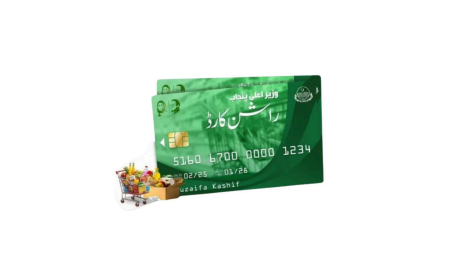
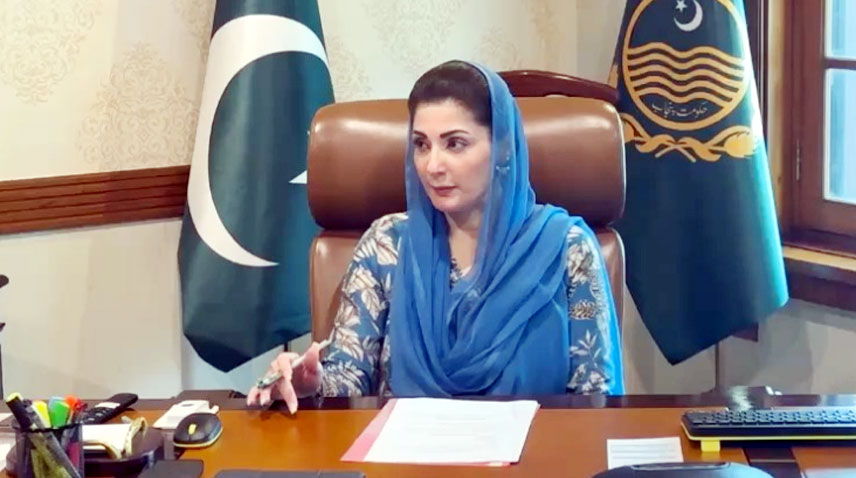
The program’s inception comes at a critical time when food insecurity affects millions. According to government estimates, inflation has driven up the prices of basic commodities by over 20% in the past year alone. By integrating advanced digital tools, such as CNIC-linked cards verified through NADRA, the scheme minimizes corruption and ensures aid reaches the right hands. Chief Minister Maryam Nawaz emphasized during the launch in Lahore that this is not just about subsidies but about empowering families to thrive. “Our goal is to build a Punjab where no family goes hungry,” she stated, highlighting the program’s alignment with broader welfare goals like women’s empowerment and rural development.
In this comprehensive article, we’ll break down the Punjab Ration Subsidy Scheme 2025 into digestible sections. Expect detailed explanations, step-by-step guides, tables for quick reference, and insights into how it compares to previous efforts. If you’re looking for “BISP 8171 integration with Punjab ration card” or “NADRA verification for ration program,” we’ve got you covered. By the end, you’ll have all the tools to apply and benefit from this Rs. 40 billion lifeline.
What is the Punjab Ration Card Program 2025?
At its heart, the Punjab Ration Card Program 2025 is a targeted welfare scheme aimed at alleviating the financial burdens imposed by inflation on vulnerable populations. Launched in August 2025, it provides subsidized access to essential groceries, ensuring that low-income families can afford nutritious food without compromising other necessities like education or healthcare.

The program operates through a digital ration card system, where beneficiaries receive a card linked to their Computerized National Identity Card (CNIC). This card allows purchases at designated outlets, such as Utility Stores Corporation and Bank of Punjab branches, with subsidies applied directly at the point of sale. The total budget of Rs. 40 billion underscores the government’s commitment, covering subsidies for over five million families province-wide.
Why now? Punjab, like the rest of Pakistan, has seen a sharp rise in food prices due to global supply chain disruptions, climate impacts on agriculture, and economic pressures. Staples like flour and ghee, which form the backbone of daily meals, have become increasingly unaffordable for many. The Government of Punjab Ration Card Scheme addresses this by offering up to 40% discounts, translating to significant monthly savings. For a family of four, this could mean an extra Rs. 2,000-3,000 in disposable income each month.
Moreover, the scheme is deeply integrated with existing federal programs like the Benazir Income Support Programme (BISP 8171) and Ehsaas Kafalat. This synergy allows for seamless data sharing, reducing duplication and enhancing efficiency. If you’re already enrolled in BISP, your eligibility for the Punjab Ration Card 2025 is automatically prioritized, making the process even smoother.
From an operational standpoint, the program emphasizes inclusivity. Urban centers like Lahore, Faisalabad, and Multan have seen rapid rollout, while rural areas benefit from mobile registration vans and tehsil-level counters. This ensures that even remote villages in districts like Bahawalpur or Dera Ghazi Khan aren’t left behind. The digital backbone, powered by NADRA verification, not only speeds up approvals but also tracks usage to prevent misuse.
In essence, the Punjab Ration Card Program 2025 is more than a subsidy—it’s a strategic intervention for food security. It aligns with the United Nations’ Sustainable Development Goals, particularly those focused on zero hunger and reduced inequalities. For queries like “what is Punjab ration card scheme” or “subsidized food in Punjab 2025,” this initiative stands as a beacon of hope, promising equitable access to essentials in turbulent economic times.
Key Features of the Punjab Ration Card Scheme 2025
The Punjab Ration Card Program 2025 is distinguished by its innovative features, blending technology with social welfare to create a robust support system. Here’s a closer look at what makes it effective:
First, the digital ration card is a game-changer. Unlike traditional paper-based systems prone to fraud, this card is electronically linked to your CNIC and verified through NADRA’s database. It allows real-time tracking of purchases, ensuring transparency and accountability.
Subsidies are generous, offering up to 40% off on key items: flour (atta), sugar, ghee, rice, pulses (daal), and cooking oil. Each family can access rations worth up to Rs. 6,000 per month, calibrated to household size and needs. This targeted approach prevents waste and maximizes impact.
Distribution channels are widespread, including over 500 Bank of Punjab branches and Utility Stores across the province. This accessibility is crucial for “rural ration card distribution in Punjab,” where transportation can be a barrier.
Integration with BISP 8171 and Ehsaas Program databases streamlines eligibility, allowing automatic cross-verification. This reduces paperwork and speeds up the process from weeks to days.
For a quick overview, refer to this table:
| Feature | Details |
|---|---|
| Program Name | Punjab Ration Card Program 2025 |
| Total Budget | Rs. 40 Billion |
| Target Beneficiaries | Over 5 million low-income families |
| Subsidies Offered | Up to 40% on flour, sugar, ghee, rice, pulses, and cooking oil |
| Card Type | Digital, CNIC-linked, NADRA-verified |
| Distribution Channels | Bank of Punjab branches and Utility Stores Corporation outlets |
| Monthly Allowance | Rations worth up to Rs. 6,000 |
| Integration | BISP 8171, Ehsaas Program, NADRA databases |
These features position the scheme as a model for “digital welfare programs in Pakistan,” focusing on efficiency and equity.
Expanding on transparency, the program includes an online dashboard where beneficiaries can check their balance and transaction history. This empowers users and deters corruption. Additionally, priority allocation for vulnerable groups like widows and the disabled adds a layer of social justice.
In comparison to manual systems of the past, this digital shift represents a 50% improvement in processing speed, as per initial government reports. For those interested in “key features of Punjab ration card 2025,” these elements ensure the program’s sustainability and effectiveness.
Eligibility Criteria for Punjab Ration Card 2025
Determining eligibility for the Punjab Ration Card Program 2025 is straightforward, designed to target those most in need. The primary criterion is household income: families earning less than Rs. 60,000 per month qualify. This threshold accounts for urban-rural disparities, where living costs vary.
Registration in federal databases like BISP 8171 or Ehsaas Program is a key facilitator. If you’re already part of these, your data is pre-verified, expediting approval. A valid CNIC registered in Punjab is mandatory, ensuring the program benefits residents only.
Government employees in Grades 1-4 can apply, recognizing their often modest salaries. Priority is given to marginalized groups: widows, orphans, disabled individuals, and single-parent households. This focus on vulnerability aligns with “inclusive welfare schemes in Punjab.”
Exclusions include high-income earners, non-Punjab residents, and those with unverified CNIC. To check if you meet the criteria, consider your family’s total income, including remittances or agricultural earnings.
For example, a laborer in Lahore earning Rs. 50,000 monthly with three dependents would likely qualify, especially if registered under Ehsaas. In rural areas, farmers with small holdings below the income cap are encouraged to apply.
The eligibility framework draws from lessons of past programs, where loose criteria led to inefficiencies. Now, with NADRA’s biometric verification, authenticity is assured. If you’re searching for “eligibility for Punjab ration scheme 2025” or “income limit for ration card Punjab,” this Rs. 60,000 cutoff is pivotal.
Applicants must also not own significant assets, though exact thresholds aren’t publicly detailed to prevent gaming the system. Overall, the criteria promote fairness, ensuring aid flows to the deserving.
How to Apply for Punjab Ration Card Program 2025: Step-by-Step Guide
Applying for the Punjab Ration Card Scheme 2025 is user-friendly, with multiple channels to accommodate diverse users. Here’s a detailed step-by-step guide for “how to apply for Punjab ration card online”:
- Prepare Your Documents: Gather your CNIC, proof of income (if required), and family details. For BISP enrollees, this step is minimal.
- SMS Registration: The quickest start—send your CNIC number (without dashes) to 8070. You’ll receive an immediate SMS with preliminary eligibility status based on BISP/Ehsaas data. This is ideal for “SMS application for Punjab ration card.”
- Online Application: Visit the official Punjab Government Ration Portal (punjab.gov.pk/rationcard). Create an account using your mobile number and email. Fill in the form with household information, income details, and upload scanned CNIC copies. The portal supports Urdu for broader accessibility.
- Verification Process: Submit your application, and it undergoes automated checks via NADRA and BISP databases. This typically takes 7-10 days. You’ll get updates via SMS. If discrepancies arise, you may need to visit a local tehsil office for manual verification.
- Approval and Notification: Upon approval, receive an SMS with your application ID. Track status on the portal.
- Card Collection: Head to the nearest Bank of Punjab branch or Utility Store with your original CNIC. The card is issued on-site after biometric confirmation.
For rural applicants, mobile vans tour districts, bringing the process to your doorstep. If facing issues, call the helpline at 0800-12345.
Common pitfalls include incorrect CNIC entry or incomplete forms—double-check everything. The process is free, with no fees involved. For “Punjab ration card application form download,” the portal offers PDF versions.
This digital-heavy approach reduces bureaucracy, making it easier than ever. Since launch, over a million applications have been processed, showcasing its efficiency.
How to Check Punjab Ration Card Eligibility Online
Checking eligibility for the Punjab Ration Card 2025 is instantaneous and online, perfect for “CNIC check for Punjab ration scheme.”
Navigate to the Punjab Ration Portal and locate the “Eligibility Checker” tool. Enter your CNIC number and captcha code. The system cross-references with NADRA and BISP, displaying your status: eligible, pending, or ineligible with reasons.
If eligible, it shows next steps like application links. For ineligible cases, appeals can be filed via the portal with additional documents.
This tool has handled millions of queries since August 2025, reducing helpline load. Mobile apps are in development for even easier access.
Remember, eligibility isn’t static—if your circumstances change, recheck periodically.
Benefits of the Punjab Ration Card Program 2025
The Rs. 40 Billion Punjab Ration Scheme delivers multifaceted benefits, extending beyond mere discounts.
Financially, the 40% subsidy on essentials saves families thousands annually, freeing funds for education or health. In inflation-hit times, this is crucial for “inflation relief through Punjab ration card.”
Food security is enhanced, with guaranteed access to nutritious items like pulses and rice, combating malnutrition. Government data suggests similar programs have reduced hunger rates by 15%.
Transparency via digital tracking eliminates middlemen, fostering trust. Beneficiaries report fewer instances of corruption compared to analog systems.
Inclusivity ensures rural-urban parity, with special provisions for women-led households, promoting gender equality. Integration with Ehsaas amplifies impact, allowing combined benefits.
Economically, it stimulates local markets by increasing purchasing power. Families can invest in small businesses or children’s schooling, breaking poverty cycles.
Socially, it builds community resilience, as seen in testimonials where recipients share how it restored dignity.
Overall, for “benefits of Punjab ration card 2025,” it’s a holistic tool for sustainable development.
November 2025 Updates on Punjab Ration Card Scheme
As of November 5, 2025, the program has distributed over three million cards, with Lahore and Rawalpindi leading. Enhanced helplines handle 10,000 queries daily.
Mobile vans have reached 200 remote tehsils, boosting rural enrollment. CM Maryam Nawaz has mandated audits to curb misuse, with penalties for fraud.
Integration with mobile wallets is piloted, allowing digital payments at stores. Feedback surveys show 85% satisfaction.
For “latest updates on Punjab ration program 2025,” watch for expansions to more items like tea.
History of Similar Schemes in Punjab
Ration subsidies in Punjab trace back to post-independence eras, with early systems distributing wheat during shortages. The 1980s saw formalized cards under Zia-ul-Haq, but corruption plagued them.
The 2000s brought Ehsaas under Imran Khan, focusing on cash transfers. Punjab adapted with provincial variants, like the 2019 Sehat Card.
BISP 8171, launched in 2008, laid the digital foundation, supporting 9 million nationally. The Punjab Ration Card 2025 evolves this, adding subsidies to cash aid.
Past budgets were smaller—Ehsaas at Rs. 200 billion federally—versus Punjab’s Rs. 40 billion targeted focus. Lessons from COVID-era distributions emphasized digital verification, shaping today’s scheme.
This history underscores progress toward efficient, inclusive welfare.
Comparisons with Other Programs
Compared to federal Ehsaas, Punjab’s program offers direct subsidies versus cash, with higher discounts (40% vs. 25%). Budget-wise, it’s province-specific but scalable.
Versus Sindh’s similar scheme, Punjab’s digital integration is superior, reducing leaks. Internationally, it mirrors India’s PDS but with better tech.
Within CM Punjab schemes, it complements the Female Electric Bike Program by addressing food needs alongside mobility.
Strengths: Transparency and scale; weaknesses: Dependency on NADRA uptime.
For “comparison of Punjab ration card with Ehsaas,” it’s a complementary powerhouse.
FAQs on Punjab Ration Card Program 2025
- What is the Punjab Ration Card Program 2025? It’s a Rs. 40 billion scheme for subsidized rations.
- Who is eligible? Families below Rs. 60,000 income, BISP-registered, Punjab CNIC holders.
- How do I apply via SMS? Send CNIC to 8070.
- Can I apply online? Yes, via punjab.gov.pk/rationcard.
- What documents are needed? CNIC, income proof if required.
- How long for verification? 7-10 days.
- Where to collect the card? Bank of Punjab or Utility Stores.
- What if I’m not in BISP? Still apply; verification checks eligibility.
- Are there fees? No, it’s free.
- Can government employees apply? Yes, Grades 1-4.
- Priority for whom? Widows, disabled, orphans.
- How to check status? Enter CNIC on portal.
- What items are subsidized? Flour, sugar, ghee, etc.
- Monthly limit? Rs. 6,000 worth.
- How to report issues? Call 0800-12345.
These FAQs address common searches like “FAQs Punjab ration scheme.”
User Testimonials
“This program has been a lifesaver—our family saves Rs. 2,500 monthly on groceries!” – Ahmed, Lahore laborer.
“The digital process was seamless; no bribes needed.” – Fatima, widow from Faisalabad.
“Rural access via vans made it easy.” – Khan, Bahawalpur farmer.
These stories highlight real impact.
Quick Summary of Punjab Ration Card Program 2025
| Aspect | Key Information |
|---|---|
| Budget | Rs. 40 Billion |
| Monthly Support | Rs. 6,000 worth of subsidized ration |
| Beneficiaries | 5+ Million Families |
| Discount | Up to 40% on essentials |
| Registration Method | SMS to 8070 or Online Portal |
| Verification | NADRA + BISP |
| Distribution Points | Bank of Punjab & Utility Stores |
Conclusion: Empowering Punjab Through Welfare
The Government of Punjab’s Rs. 40 Billion Ration Card Program 2025 is a testament to proactive governance, offering tangible relief in challenging times. Apply today and join millions benefiting from this initiative.
For more on “CM Punjab schemes 2025,” explore related programs.

V. Good work and
Keep it up